Consumer Rights in India: A Beginner's Guide
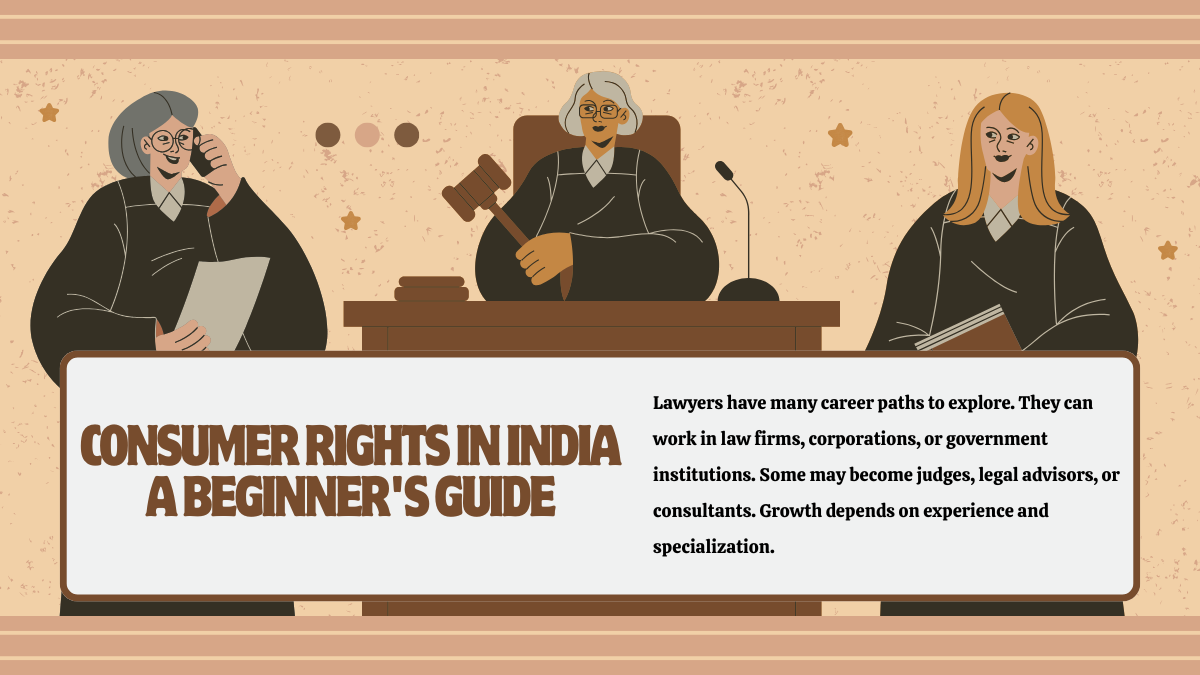
Every time you buy a product, pay for a service, or order something online, you are a consumer with legal protections. Understanding your consumer rights in India helps you push back against defective goods, hidden charges, misleading advertisements, and poor service. This guide explains those rights in plain English and shows you how to act when something goes wrong.
What the Law Says
Consumer protection in India is governed by the Consumer Protection Act, 2019, which replaced the older 1986 Act. The new law modernised the system to cover online shopping, e-commerce platforms, and misleading celebrity endorsements. It also created a regulator called the Central Consumer Protection Authority (CCPA) to investigate unfair practices and order recalls or penalties.
A "consumer" under the Act is anyone who buys goods or hires services for personal use in exchange for payment. Importantly, you do not need to be the buyer to be protected: a user of the product with the buyer's approval also counts.
The Six Core Consumer Rights
The Act recognises six fundamental rights that form the backbone of consumer protection.
1. Right to Safety
You are protected against goods and services that are hazardous to life and property. For example, an electric kettle that overheats and causes a fire breaches this right.
2. Right to Be Informed
Sellers must disclose accurate information about quality, quantity, ingredients, price, and expiry dates. A food label that hides allergens or a phone sold without disclosing a known defect violates this right.
3. Right to Choose
You are entitled to access a variety of goods at competitive prices. Being forced to buy a bundled product you did not want can amount to an unfair practice.
4. Right to Be Heard
Your complaints must be considered by the seller and the authorities. Consumer forums exist precisely to give your grievance a fair hearing.
5. Right to Seek Redressal
You can demand compensation, replacement, or a refund for defective goods or deficient services.
6. Right to Consumer Education
You have the right to acquire the knowledge needed to be an informed buyer, which is exactly what this guide aims to support.
Common Problems Consumers Face
Knowing your rights matters most when you hit a real problem. Here are everyday scenarios:
- Defective products: A new refrigerator stops cooling within a week, and the seller refuses to replace it.
- Deficient services: A courier company loses your parcel and ignores your emails.
- Unfair trade practices: A shop advertises a "70% off" sale but inflates the original price first.
- Misleading advertisements: A health drink claims to boost immunity with no scientific basis.
- E-commerce issues: An online seller ships a counterfeit product or refuses a valid return.
Under the 2019 Act, e-commerce platforms must display seller details, country of origin, and a clear return and refund policy. They cannot manipulate prices unfairly or post fake reviews.
A Real-World Example
Imagine Priya buys a washing machine for ₹25,000. The delivery is delayed, and when it finally arrives, the drum is damaged. The seller blames the courier and refuses a refund. Priya has several options. She can first send a written complaint to the company. If ignored, she can approach the District Consumer Disputes Redressal Commission, attaching her invoice, photos of the damage, and copies of her emails. Because her claim is under ₹50 lakh, the District Commission has jurisdiction, and she can even file online through the e-Daakhil portal without a lawyer.
How to File a Consumer Complaint
The redressal system has three tiers based on the value of goods, services, and compensation claimed:
- District Commission: up to ₹50 lakh.
- State Commission: above ₹50 lakh and up to ₹2 crore.
- National Commission: above ₹2 crore.
The basic steps are:
- Send a written notice to the seller or service provider describing the problem and the relief you want. Keep proof of delivery.
- Gather evidence: invoices, receipts, warranty cards, photographs, screenshots, and correspondence.
- File the complaint with the appropriate commission, in person or online via the e-Daakhil portal, within two years of the cause of action.
- Pay the nominal fee, which depends on the claim value and is modest for smaller claims.
- Attend hearings and present your case. You may represent yourself or hire a lawyer.
Many disputes can also be resolved through mediation, which the 2019 Act encourages as a faster, less adversarial route.
Frequently Asked Questions
Do I need a lawyer to file a consumer complaint?
No. The process is designed to be consumer-friendly, and you can file and argue your own case. For complex or high-value disputes, professional help can still be useful.
Is there a time limit to complain?
Yes. You generally must file within two years from the date the problem arose. The commission can condone delays only for valid, documented reasons.
Are online purchases covered?
Absolutely. The Consumer Protection Act 2019 specifically extends to e-commerce, and platforms have clear obligations regarding refunds, returns, and seller transparency.
What compensation can I get?
Depending on the case, you may receive a refund, replacement, repair, removal of deficiency, or monetary compensation for loss, harassment, and litigation costs.
Conclusion
Your consumer rights in India are stronger than many people realise. The Consumer Protection Act 2019 gives you practical tools to challenge defective goods, deficient services, and unfair trade practices, both offline and online. The key is to document everything, act within the time limit, and use the accessible three-tier redressal system. When in doubt, a short consultation with a consumer law professional can help you choose the right forum and frame a strong complaint.
Related Reading
- How to File an FIR in India: A Step-by-Step Guide
- Cheque Bounce Cases in India: Understanding Section 138
- How to Choose a Lawyer
Disclaimer: This article provides general information for educational purposes only and is not legal advice. Laws and procedures change over time. Please consult a qualified lawyer for guidance on your specific situation.
Related Articles
%22%20%2F%3E%3Ctext%20x%3D%2260%22%20y%3D%2290%22%20font-family%3D%22Helvetica%2C%20Arial%2C%20sans-serif%22%20font-size%3D%2220%22%20font-weight%3D%22700%22%20letter-spacing%3D%222%22%20fill%3D%22%239a6a1f%22%3ELEGAL%20GUIDES%3C%2Ftext%3E%3Cpolyline%20points%3D%2260%2C460%20220%2C380%20360%2C420%20520%2C300%20700%2C220%22%20fill%3D%22none%22%20stroke%3D%22%239a6a1f%22%20stroke-width%3D%224%22%20stroke-linecap%3D%22round%22%20stroke-linejoin%3D%22round%22%20opacity%3D%220.55%22%20%2F%3E%3Cg%20transform%3D%22translate(560%2C140)%20scale(7.083333333333333)%22%20stroke%3D%22%239a6a1f%22%20stroke-width%3D%221.6%22%20fill%3D%22none%22%20stroke-linecap%3D%22round%22%20stroke-linejoin%3D%22round%22%3E%3Cpolyline%20points%3D%224%2C9%2012%2C3%2020%2C9%22%20%2F%3E%3Cline%20x1%3D%223%22%20y1%3D%2220%22%20x2%3D%2221%22%20y2%3D%2220%22%20%2F%3E%3Cline%20x1%3D%226%22%20y1%3D%229%22%20x2%3D%226%22%20y2%3D%2220%22%20%2F%3E%3Cline%20x1%3D%2210%22%20y1%3D%229%22%20x2%3D%2210%22%20y2%3D%2220%22%20%2F%3E%3Cline%20x1%3D%2214%22%20y1%3D%229%22%20x2%3D%2214%22%20y2%3D%2220%22%20%2F%3E%3Cline%20x1%3D%2218%22%20y1%3D%229%22%20x2%3D%2218%22%20y2%3D%2220%22%20%2F%3E%3C%2Fg%3E%3Cg%20transform%3D%22translate(100%2C200)%20scale(4.166666666666667)%22%20stroke%3D%22%233a2a0f%22%20stroke-width%3D%221.6%22%20fill%3D%22none%22%20stroke-linecap%3D%22round%22%20stroke-linejoin%3D%22round%22%3E%3Crect%20x%3D%226%22%20y%3D%222%22%20width%3D%2212%22%20height%3D%2220%22%20%2F%3E%3Cline%20x1%3D%229%22%20y1%3D%227%22%20x2%3D%2215%22%20y2%3D%227%22%20%2F%3E%3Cline%20x1%3D%229%22%20y1%3D%2211%22%20x2%3D%2215%22%20y2%3D%2211%22%20%2F%3E%3Cpolyline%20points%3D%229%2C16%2010.5%2C14.5%2011.5%2C16%2013%2C14%2015%2C16%22%20%2F%3E%3C%2Fg%3E%3C%2Fsvg%3E)
Cheque Bounce in India: Understanding Section 138
By Law Elite Editorial
Employee Rights in India: A Practical Guide
By Law Elite Editorial
%22%20%2F%3E%3Ctext%20x%3D%2260%22%20y%3D%2290%22%20font-family%3D%22Helvetica%2C%20Arial%2C%20sans-serif%22%20font-size%3D%2220%22%20font-weight%3D%22700%22%20letter-spacing%3D%222%22%20fill%3D%22%231c2f56%22%3ELEGAL%20GUIDES%3C%2Ftext%3E%3Cpolyline%20points%3D%2260%2C460%20220%2C380%20360%2C420%20520%2C300%20700%2C220%22%20fill%3D%22none%22%20stroke%3D%22%231c2f56%22%20stroke-width%3D%224%22%20stroke-linecap%3D%22round%22%20stroke-linejoin%3D%22round%22%20opacity%3D%220.55%22%20%2F%3E%3Cg%20transform%3D%22translate(560%2C140)%20scale(7.083333333333333)%22%20stroke%3D%22%231c2f56%22%20stroke-width%3D%221.6%22%20fill%3D%22none%22%20stroke-linecap%3D%22round%22%20stroke-linejoin%3D%22round%22%3E%3Cpath%20d%3D%22M4%2C4%20C7%2C3%209.5%2C3%2012%2C4.5%20C14.5%2C3%2017%2C3%2020%2C4%20V19%20C17%2C18%2014.5%2C18%2012%2C19.5%20C9.5%2C18%207%2C18%204%2C19%20Z%22%20%2F%3E%3Cline%20x1%3D%2212%22%20y1%3D%224.5%22%20x2%3D%2212%22%20y2%3D%2219.5%22%20%2F%3E%3C%2Fg%3E%3Cg%20transform%3D%22translate(100%2C200)%20scale(4.166666666666667)%22%20stroke%3D%22%23101a30%22%20stroke-width%3D%221.6%22%20fill%3D%22none%22%20stroke-linecap%3D%22round%22%20stroke-linejoin%3D%22round%22%3E%3Crect%20x%3D%2212.5%22%20y%3D%223.5%22%20width%3D%224%22%20height%3D%227%22%20transform%3D%22rotate(45%2014.5%207)%22%20%2F%3E%3Cline%20x1%3D%2211%22%20y1%3D%228%22%20x2%3D%2216%22%20y2%3D%2213%22%20%2F%3E%3Cline%20x1%3D%225%22%20y1%3D%2214%22%20x2%3D%2210%22%20y2%3D%2219%22%20%2F%3E%3Crect%20x%3D%223%22%20y%3D%2218%22%20width%3D%228%22%20height%3D%223%22%20%2F%3E%3C%2Fg%3E%3C%2Fsvg%3E)
GST Basics for Small Businesses: A Legal Overview
By Law Elite Editorial
%22%20%2F%3E%3Cg%20transform%3D%22translate(140%2C160)%20scale(7.083333333333333)%22%20stroke%3D%22%239a6a1f%22%20stroke-width%3D%221.6%22%20fill%3D%22none%22%20stroke-linecap%3D%22round%22%20stroke-linejoin%3D%22round%22%3E%3Crect%20x%3D%223%22%20y%3D%228%22%20width%3D%2218%22%20height%3D%2212%22%20rx%3D%222%22%20%2F%3E%3Crect%20x%3D%229%22%20y%3D%224%22%20width%3D%226%22%20height%3D%224%22%20rx%3D%221%22%20%2F%3E%3Cline%20x1%3D%223%22%20y1%3D%2213%22%20x2%3D%2221%22%20y2%3D%2213%22%20%2F%3E%3C%2Fg%3E%3Cg%20transform%3D%22translate(460%2C140)%20scale(6.25)%22%20stroke%3D%22%233a2a0f%22%20stroke-width%3D%221.6%22%20fill%3D%22none%22%20stroke-linecap%3D%22round%22%20stroke-linejoin%3D%22round%22%3E%3Cline%20x1%3D%2212%22%20y1%3D%223%22%20x2%3D%2212%22%20y2%3D%2220%22%20%2F%3E%3Cline%20x1%3D%224%22%20y1%3D%227%22%20x2%3D%2220%22%20y2%3D%227%22%20%2F%3E%3Ccircle%20cx%3D%2212%22%20cy%3D%223%22%20r%3D%221%22%20%2F%3E%3Cpath%20d%3D%22M4%2C7%20L2%2C13%20A4%2C4%200%200%2C0%206%2C13%20Z%22%20%2F%3E%3Cpath%20d%3D%22M20%2C7%20L18%2C13%20A4%2C4%200%200%2C0%2022%2C13%20Z%22%20%2F%3E%3Cline%20x1%3D%228%22%20y1%3D%2220%22%20x2%3D%2216%22%20y2%3D%2220%22%20%2F%3E%3C%2Fg%3E%3Cg%20transform%3D%22translate(300%2C380)%20scale(6.666666666666667)%22%20stroke%3D%22%233a2a0f%22%20stroke-width%3D%221.6%22%20fill%3D%22none%22%20stroke-linecap%3D%22round%22%20stroke-linejoin%3D%22round%22%3E%3Crect%20x%3D%2212.5%22%20y%3D%223.5%22%20width%3D%224%22%20height%3D%227%22%20transform%3D%22rotate(45%2014.5%207)%22%20%2F%3E%3Cline%20x1%3D%2211%22%20y1%3D%228%22%20x2%3D%2216%22%20y2%3D%2213%22%20%2F%3E%3Cline%20x1%3D%225%22%20y1%3D%2214%22%20x2%3D%2210%22%20y2%3D%2219%22%20%2F%3E%3Crect%20x%3D%223%22%20y%3D%2218%22%20width%3D%228%22%20height%3D%223%22%20%2F%3E%3C%2Fg%3E%3Ctext%20x%3D%2260%22%20y%3D%2260%22%20font-family%3D%22Helvetica%2C%20Arial%2C%20sans-serif%22%20font-size%3D%2220%22%20font-weight%3D%22700%22%20letter-spacing%3D%222%22%20fill%3D%22%239a6a1f%22%3ELEGAL%20GUIDES%3C%2Ftext%3E%3C%2Fsvg%3E)
How to Choose the Right Lawyer for Your Case
By Law Elite Editorial