How to Choose the Right Lawyer for Your Case
%22%20%2F%3E%3Cg%20transform%3D%22translate(140%2C160)%20scale(7.083333333333333)%22%20stroke%3D%22%239a6a1f%22%20stroke-width%3D%221.6%22%20fill%3D%22none%22%20stroke-linecap%3D%22round%22%20stroke-linejoin%3D%22round%22%3E%3Crect%20x%3D%223%22%20y%3D%228%22%20width%3D%2218%22%20height%3D%2212%22%20rx%3D%222%22%20%2F%3E%3Crect%20x%3D%229%22%20y%3D%224%22%20width%3D%226%22%20height%3D%224%22%20rx%3D%221%22%20%2F%3E%3Cline%20x1%3D%223%22%20y1%3D%2213%22%20x2%3D%2221%22%20y2%3D%2213%22%20%2F%3E%3C%2Fg%3E%3Cg%20transform%3D%22translate(460%2C140)%20scale(6.25)%22%20stroke%3D%22%233a2a0f%22%20stroke-width%3D%221.6%22%20fill%3D%22none%22%20stroke-linecap%3D%22round%22%20stroke-linejoin%3D%22round%22%3E%3Cline%20x1%3D%2212%22%20y1%3D%223%22%20x2%3D%2212%22%20y2%3D%2220%22%20%2F%3E%3Cline%20x1%3D%224%22%20y1%3D%227%22%20x2%3D%2220%22%20y2%3D%227%22%20%2F%3E%3Ccircle%20cx%3D%2212%22%20cy%3D%223%22%20r%3D%221%22%20%2F%3E%3Cpath%20d%3D%22M4%2C7%20L2%2C13%20A4%2C4%200%200%2C0%206%2C13%20Z%22%20%2F%3E%3Cpath%20d%3D%22M20%2C7%20L18%2C13%20A4%2C4%200%200%2C0%2022%2C13%20Z%22%20%2F%3E%3Cline%20x1%3D%228%22%20y1%3D%2220%22%20x2%3D%2216%22%20y2%3D%2220%22%20%2F%3E%3C%2Fg%3E%3Cg%20transform%3D%22translate(300%2C380)%20scale(6.666666666666667)%22%20stroke%3D%22%233a2a0f%22%20stroke-width%3D%221.6%22%20fill%3D%22none%22%20stroke-linecap%3D%22round%22%20stroke-linejoin%3D%22round%22%3E%3Crect%20x%3D%2212.5%22%20y%3D%223.5%22%20width%3D%224%22%20height%3D%227%22%20transform%3D%22rotate(45%2014.5%207)%22%20%2F%3E%3Cline%20x1%3D%2211%22%20y1%3D%228%22%20x2%3D%2216%22%20y2%3D%2213%22%20%2F%3E%3Cline%20x1%3D%225%22%20y1%3D%2214%22%20x2%3D%2210%22%20y2%3D%2219%22%20%2F%3E%3Crect%20x%3D%223%22%20y%3D%2218%22%20width%3D%228%22%20height%3D%223%22%20%2F%3E%3C%2Fg%3E%3Ctext%20x%3D%2260%22%20y%3D%2260%22%20font-family%3D%22Helvetica%2C%20Arial%2C%20sans-serif%22%20font-size%3D%2220%22%20font-weight%3D%22700%22%20letter-spacing%3D%222%22%20fill%3D%22%239a6a1f%22%3ELEGAL%20GUIDES%3C%2Ftext%3E%3C%2Fsvg%3E)
Choosing a lawyer is one of the most important decisions you will make when facing a legal problem — yet most people do it under stress, with little idea of what to look for. The right lawyer can protect your interests, explain complex issues clearly, and guide you to a sensible outcome. The wrong fit can cost you time, money, and peace of mind. Learning how to choose a lawyer carefully, before you commit, puts you in control of the process rather than leaving it to chance.
This guide walks through the practical factors that matter most, the questions worth asking, and the warning signs to avoid.
Start by Understanding Your Legal Need
Before searching for a lawyer, get clear on what kind of help you actually need. Law is a broad field, and most lawyers specialise. A property dispute, a divorce, a criminal charge, a business contract, and an intellectual property registration each call for very different expertise.
Match the specialisation to the case
A lawyer who handles family law every day will be far more effective in a divorce than a generalist who occasionally takes such cases. Identify your category — criminal, civil, family, corporate, property, labour, consumer, or tax — and look specifically for lawyers who focus on that area. Specialisation usually means deeper knowledge of the relevant law, familiarity with the local courts, and a sharper sense of likely outcomes.
Key Factors to Evaluate
Once you know the type of lawyer you need, weigh these factors before deciding.
Experience and track record
Experience matters, but relevant experience matters most. Ask how long the lawyer has practised, how many cases like yours they have handled, and what outcomes they typically achieve. A lawyer who regularly appears before the court your case will be heard in brings practical advantages.
Reputation and reviews
Look for credible signals of reputation — client testimonials, professional standing, peer recognition, and online reviews. Word-of-mouth referrals from people you trust can be especially valuable. Be cautious of relying on a single glowing review or, conversely, dismissing a lawyer over one negative comment.
Communication style
You will be working closely with your lawyer, sometimes for months. Choose someone who listens, explains things in plain language, and responds within a reasonable time. If a lawyer is dismissive or talks only in jargon during your first meeting, communication problems are likely to continue.
Fee structure and transparency
Money is a common source of friction, so clarify fees upfront. Lawyers may charge in different ways — a fixed fee for a defined task, an hourly rate, or a retainer. Ask for a clear, written estimate, including likely additional costs such as court fees and documentation. A trustworthy lawyer will be transparent about costs rather than vague.
Availability and workload
A brilliant lawyer who is too overloaded to give your case attention may serve you worse than a capable lawyer with time to focus. Ask who will actually handle your matter day to day — sometimes a senior lawyer signs you up but a junior does most of the work.
Questions to Ask in the First Meeting
Treat your initial consultation as a two-way interview. Useful questions include:
- Have you handled cases similar to mine, and how did they turn out?
- What are the possible outcomes, and what is realistic in my situation?
- How will you keep me informed about progress?
- What is your fee structure, and what other costs should I expect?
- Who in your office will be working on my case?
- How long do you expect the matter to take?
Honest, specific answers are a good sign. Vague reassurances or guarantees of a particular result are not.
Warning Signs to Watch For
Some red flags should make you pause:
- Guaranteed outcomes. No ethical lawyer can promise to win; the law and facts are never fully predictable.
- Pressure to decide immediately. A good lawyer gives you space to think.
- Unclear or evasive fees. Reluctance to put costs in writing is a concern.
- Poor communication from the start. Unreturned calls before you have even hired them rarely improve afterwards.
- No relevant experience. A lawyer venturing well outside their usual practice area may be learning on your case.
Making the Final Decision
After meeting one or more lawyers, weigh everything together: relevant expertise, clear communication, fair and transparent fees, and your overall sense of trust. Cost matters, but the cheapest option is not always the most economical if it leads to a poor outcome. Equally, the most expensive lawyer is not automatically the best. Aim for the strongest fit between your specific case and the lawyer's strengths.
Frequently Asked Questions
How much does hiring a lawyer cost?
It varies widely depending on the type of case, the lawyer's experience, and your location. Always ask for a written fee estimate, including likely court and documentation costs, before committing.
Should I always hire a specialist?
For anything significant or complex, yes. Specialisation usually means deeper expertise and better familiarity with the relevant courts and procedures. For very simple matters, an experienced generalist may suffice.
Can I change my lawyer if I am unhappy?
Generally yes, you can change lawyers, though it may involve some cost and delay. It is better to choose carefully at the start to avoid disruption mid-case.
Is the first consultation usually free?
Some lawyers offer a free or low-cost initial consultation, while others charge for their time. Confirm this when booking the meeting so there are no surprises.
Conclusion
Knowing how to choose a lawyer comes down to matching the right specialisation to your case, evaluating experience, reputation, communication, and fees, and trusting your judgement after asking the right questions. Take the time to compare options rather than hiring the first name you find. The effort you put in at the start often determines how smoothly — and successfully — your case unfolds.
Related Reading
- Understanding Bail in India: Types and How It Works
- What Is a Legal Notice and How to Send One
- The Divorce Process in India: Types, Steps, and Timelines
Disclaimer: This article provides general information only and is not legal advice. Please consult a qualified lawyer for guidance specific to your situation.
Related Articles
%22%20%2F%3E%3Ctext%20x%3D%2260%22%20y%3D%2290%22%20font-family%3D%22Helvetica%2C%20Arial%2C%20sans-serif%22%20font-size%3D%2220%22%20font-weight%3D%22700%22%20letter-spacing%3D%222%22%20fill%3D%22%239a6a1f%22%3ELEGAL%20GUIDES%3C%2Ftext%3E%3Cpolyline%20points%3D%2260%2C460%20220%2C380%20360%2C420%20520%2C300%20700%2C220%22%20fill%3D%22none%22%20stroke%3D%22%239a6a1f%22%20stroke-width%3D%224%22%20stroke-linecap%3D%22round%22%20stroke-linejoin%3D%22round%22%20opacity%3D%220.55%22%20%2F%3E%3Cg%20transform%3D%22translate(560%2C140)%20scale(7.083333333333333)%22%20stroke%3D%22%239a6a1f%22%20stroke-width%3D%221.6%22%20fill%3D%22none%22%20stroke-linecap%3D%22round%22%20stroke-linejoin%3D%22round%22%3E%3Cpolyline%20points%3D%224%2C9%2012%2C3%2020%2C9%22%20%2F%3E%3Cline%20x1%3D%223%22%20y1%3D%2220%22%20x2%3D%2221%22%20y2%3D%2220%22%20%2F%3E%3Cline%20x1%3D%226%22%20y1%3D%229%22%20x2%3D%226%22%20y2%3D%2220%22%20%2F%3E%3Cline%20x1%3D%2210%22%20y1%3D%229%22%20x2%3D%2210%22%20y2%3D%2220%22%20%2F%3E%3Cline%20x1%3D%2214%22%20y1%3D%229%22%20x2%3D%2214%22%20y2%3D%2220%22%20%2F%3E%3Cline%20x1%3D%2218%22%20y1%3D%229%22%20x2%3D%2218%22%20y2%3D%2220%22%20%2F%3E%3C%2Fg%3E%3Cg%20transform%3D%22translate(100%2C200)%20scale(4.166666666666667)%22%20stroke%3D%22%233a2a0f%22%20stroke-width%3D%221.6%22%20fill%3D%22none%22%20stroke-linecap%3D%22round%22%20stroke-linejoin%3D%22round%22%3E%3Crect%20x%3D%226%22%20y%3D%222%22%20width%3D%2212%22%20height%3D%2220%22%20%2F%3E%3Cline%20x1%3D%229%22%20y1%3D%227%22%20x2%3D%2215%22%20y2%3D%227%22%20%2F%3E%3Cline%20x1%3D%229%22%20y1%3D%2211%22%20x2%3D%2215%22%20y2%3D%2211%22%20%2F%3E%3Cpolyline%20points%3D%229%2C16%2010.5%2C14.5%2011.5%2C16%2013%2C14%2015%2C16%22%20%2F%3E%3C%2Fg%3E%3C%2Fsvg%3E)
Cheque Bounce in India: Understanding Section 138
By Law Elite Editorial
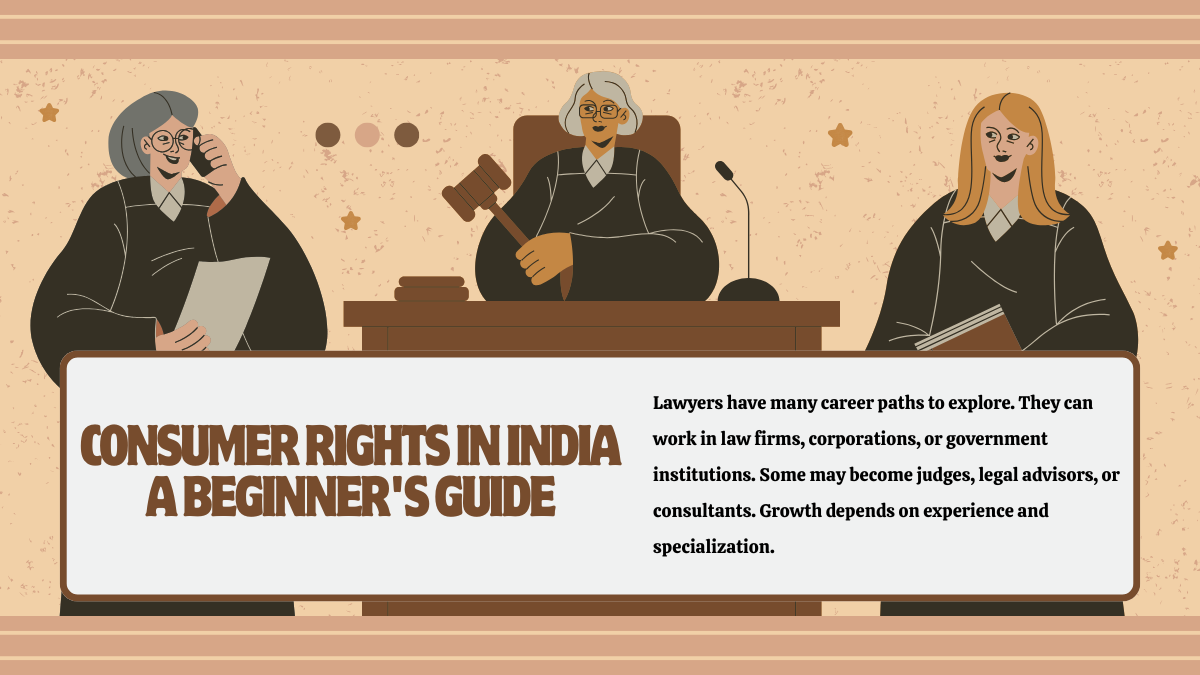
Consumer Rights in India: A Beginner's Guide
By Law Elite Editorial
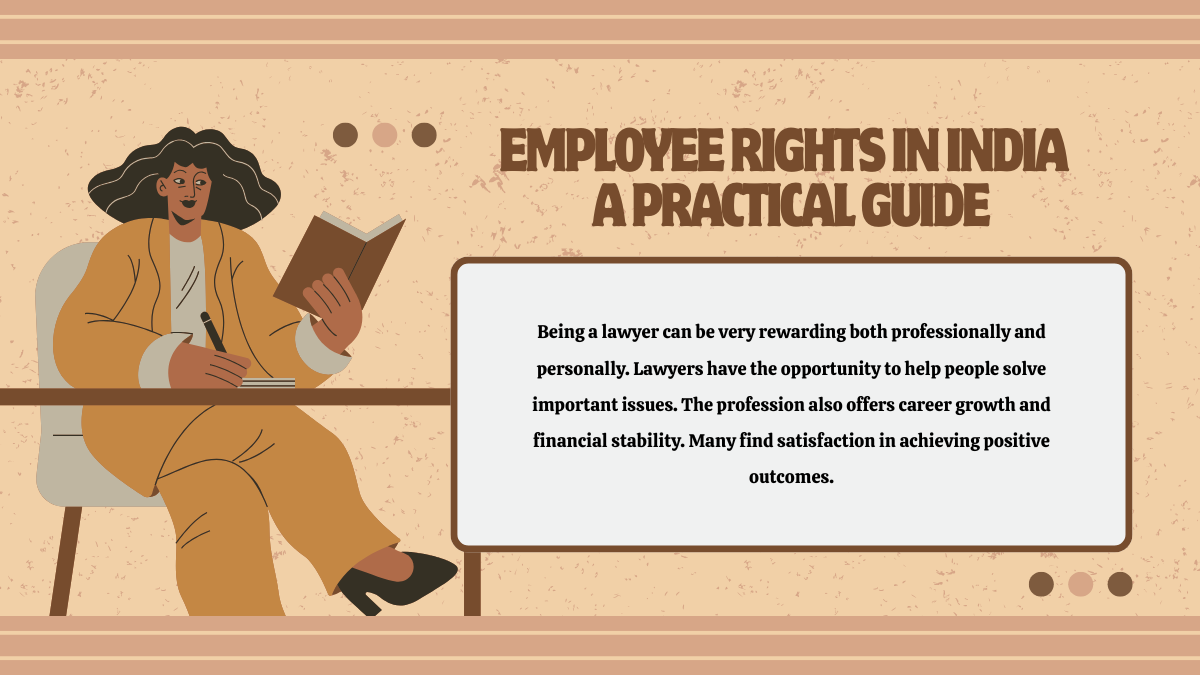
Employee Rights in India: A Practical Guide
By Law Elite Editorial
%22%20%2F%3E%3Ctext%20x%3D%2260%22%20y%3D%2290%22%20font-family%3D%22Helvetica%2C%20Arial%2C%20sans-serif%22%20font-size%3D%2220%22%20font-weight%3D%22700%22%20letter-spacing%3D%222%22%20fill%3D%22%231c2f56%22%3ELEGAL%20GUIDES%3C%2Ftext%3E%3Cpolyline%20points%3D%2260%2C460%20220%2C380%20360%2C420%20520%2C300%20700%2C220%22%20fill%3D%22none%22%20stroke%3D%22%231c2f56%22%20stroke-width%3D%224%22%20stroke-linecap%3D%22round%22%20stroke-linejoin%3D%22round%22%20opacity%3D%220.55%22%20%2F%3E%3Cg%20transform%3D%22translate(560%2C140)%20scale(7.083333333333333)%22%20stroke%3D%22%231c2f56%22%20stroke-width%3D%221.6%22%20fill%3D%22none%22%20stroke-linecap%3D%22round%22%20stroke-linejoin%3D%22round%22%3E%3Cpath%20d%3D%22M4%2C4%20C7%2C3%209.5%2C3%2012%2C4.5%20C14.5%2C3%2017%2C3%2020%2C4%20V19%20C17%2C18%2014.5%2C18%2012%2C19.5%20C9.5%2C18%207%2C18%204%2C19%20Z%22%20%2F%3E%3Cline%20x1%3D%2212%22%20y1%3D%224.5%22%20x2%3D%2212%22%20y2%3D%2219.5%22%20%2F%3E%3C%2Fg%3E%3Cg%20transform%3D%22translate(100%2C200)%20scale(4.166666666666667)%22%20stroke%3D%22%23101a30%22%20stroke-width%3D%221.6%22%20fill%3D%22none%22%20stroke-linecap%3D%22round%22%20stroke-linejoin%3D%22round%22%3E%3Crect%20x%3D%2212.5%22%20y%3D%223.5%22%20width%3D%224%22%20height%3D%227%22%20transform%3D%22rotate(45%2014.5%207)%22%20%2F%3E%3Cline%20x1%3D%2211%22%20y1%3D%228%22%20x2%3D%2216%22%20y2%3D%2213%22%20%2F%3E%3Cline%20x1%3D%225%22%20y1%3D%2214%22%20x2%3D%2210%22%20y2%3D%2219%22%20%2F%3E%3Crect%20x%3D%223%22%20y%3D%2218%22%20width%3D%228%22%20height%3D%223%22%20%2F%3E%3C%2Fg%3E%3C%2Fsvg%3E)
GST Basics for Small Businesses: A Legal Overview
By Law Elite Editorial