What Is a Legal Notice and How to Send One
%22%20%2F%3E%3Ctext%20x%3D%2260%22%20y%3D%2290%22%20font-family%3D%22Helvetica%2C%20Arial%2C%20sans-serif%22%20font-size%3D%2220%22%20font-weight%3D%22700%22%20letter-spacing%3D%222%22%20fill%3D%22%231c2f56%22%3ELEGAL%20GUIDES%3C%2Ftext%3E%3Cpolyline%20points%3D%2260%2C460%20220%2C380%20360%2C420%20520%2C300%20700%2C220%22%20fill%3D%22none%22%20stroke%3D%22%231c2f56%22%20stroke-width%3D%224%22%20stroke-linecap%3D%22round%22%20stroke-linejoin%3D%22round%22%20opacity%3D%220.55%22%20%2F%3E%3Cg%20transform%3D%22translate(560%2C140)%20scale(7.083333333333333)%22%20stroke%3D%22%231c2f56%22%20stroke-width%3D%221.6%22%20fill%3D%22none%22%20stroke-linecap%3D%22round%22%20stroke-linejoin%3D%22round%22%3E%3Crect%20x%3D%2212.5%22%20y%3D%223.5%22%20width%3D%224%22%20height%3D%227%22%20transform%3D%22rotate(45%2014.5%207)%22%20%2F%3E%3Cline%20x1%3D%2211%22%20y1%3D%228%22%20x2%3D%2216%22%20y2%3D%2213%22%20%2F%3E%3Cline%20x1%3D%225%22%20y1%3D%2214%22%20x2%3D%2210%22%20y2%3D%2219%22%20%2F%3E%3Crect%20x%3D%223%22%20y%3D%2218%22%20width%3D%228%22%20height%3D%223%22%20%2F%3E%3C%2Fg%3E%3Cg%20transform%3D%22translate(100%2C200)%20scale(4.166666666666667)%22%20stroke%3D%22%23101a30%22%20stroke-width%3D%221.6%22%20fill%3D%22none%22%20stroke-linecap%3D%22round%22%20stroke-linejoin%3D%22round%22%3E%3Cpolyline%20points%3D%224%2C9%2012%2C3%2020%2C9%22%20%2F%3E%3Cline%20x1%3D%223%22%20y1%3D%2220%22%20x2%3D%2221%22%20y2%3D%2220%22%20%2F%3E%3Cline%20x1%3D%226%22%20y1%3D%229%22%20x2%3D%226%22%20y2%3D%2220%22%20%2F%3E%3Cline%20x1%3D%2210%22%20y1%3D%229%22%20x2%3D%2210%22%20y2%3D%2220%22%20%2F%3E%3Cline%20x1%3D%2214%22%20y1%3D%229%22%20x2%3D%2214%22%20y2%3D%2220%22%20%2F%3E%3Cline%20x1%3D%2218%22%20y1%3D%229%22%20x2%3D%2218%22%20y2%3D%2220%22%20%2F%3E%3C%2Fg%3E%3C%2Fsvg%3E)
Before most disputes ever reach a courtroom, there is a quieter, more formal step that often resolves them: the legal notice. Whether it is an unpaid debt, a broken contract, a property disagreement, or harassment, a legal notice is frequently the first official move. Understanding how to send a legal notice — what it is, when it makes sense, and what it must contain — can help you assert your rights clearly and, in many cases, settle a matter without the cost and stress of litigation.
This guide explains the purpose of a legal notice, when to use one, and the practical steps to draft and serve it correctly.
What Is a Legal Notice?
A legal notice is a formal written communication sent by one party to another, stating a grievance and demanding a specific action — such as payment, performance of a contract, or stopping a particular conduct — within a stated time. It puts the recipient on formal notice that the sender intends to pursue legal action if the matter is not resolved.
In essence, a legal notice serves three purposes:
- Communication. It clearly informs the other party of the problem and what you want done.
- Opportunity to resolve. It gives the recipient a chance to respond or comply before the dispute escalates.
- Evidence. It creates a documented record showing you raised the issue formally, which can support your case if litigation follows.
A legal notice is usually drafted by a lawyer on their letterhead, though in some matters an individual can send one themselves.
When Should You Send a Legal Notice?
A legal notice is appropriate in a wide range of civil disputes. Common situations include:
- Recovery of money — when someone owes you a debt or has not paid for goods or services.
- Cheque bounce — sending a demand notice is a required step before filing a complaint under Section 138 of the Negotiable Instruments Act.
- Breach of contract — when the other party fails to honour an agreement.
- Property disputes — disagreements over ownership, possession, or tenancy.
- Consumer complaints — defective products or deficient services.
- Employment issues — unpaid salary or wrongful termination.
In some cases, sending a legal notice is not just advisable but legally required before you can proceed. In others, it is a strategic first step that signals you are serious and may prompt a settlement.
What a Legal Notice Should Contain
A well-drafted legal notice is clear, factual, and specific. While the exact format varies by situation, a typical legal notice includes:
Sender and recipient details
The full name and address of the person sending the notice and the person receiving it, so there is no ambiguity about the parties.
Facts of the case
A clear, chronological account of what happened — dates, amounts, agreements, and relevant events. This section should stick to facts, not emotional language.
The grievance and legal basis
A statement of how the recipient's actions have caused harm or breached an obligation, referring where appropriate to the relevant agreement or legal provision.
The demand
A precise statement of what you want — for example, payment of a specific amount, performance of a duty, or the stopping of certain conduct.
The time limit
A reasonable deadline (often 15 to 30 days) within which the recipient must comply, after which you reserve the right to take legal action.
Signature
The notice is signed by the sender or, more commonly, by the lawyer drafting it on the sender's behalf.
How to Send a Legal Notice: Step by Step
- Consult a lawyer (recommended). While you can draft a notice yourself, a lawyer ensures the language, legal references, and demands are correct and effective.
- Gather your facts and documents. Collect contracts, invoices, receipts, messages, and any other evidence supporting your claim.
- Draft the notice. Set out the facts, grievance, demand, and time limit clearly and professionally.
- Review carefully. Ensure names, dates, amounts, and addresses are accurate; errors can weaken the notice.
- Send it through a traceable method. Legal notices are typically sent by registered post with acknowledgement due, and often by email as well, so you have proof of delivery.
- Keep copies and proof. Retain a copy of the notice and the postal receipt and acknowledgement. This documentation is important if the matter goes to court.
What Happens After Sending a Legal Notice?
Once the recipient gets the notice, a few things can happen. They may comply with the demand and resolve the matter; they may reply to negotiate or dispute your claim; or they may ignore it. If they comply, the issue ends there. If they negotiate, you may reach a settlement. If they ignore the notice or refuse, you can then proceed with the legal remedy mentioned — typically filing a suit or complaint in the appropriate forum.
Receiving a legal notice does not, by itself, mean you have lost or are guilty of anything; it is an invitation to respond. If you receive one, it is wise to consult a lawyer and reply within the stated time rather than ignore it.
Frequently Asked Questions
Can I send a legal notice without a lawyer?
Yes, in many civil matters you can send one yourself. However, a lawyer-drafted notice on official letterhead is usually clearer, more precise, and taken more seriously, which improves your chances of a favourable response.
How long should I give the recipient to respond?
A reasonable period is common — often 15 to 30 days, depending on the nature of the dispute. The time should be enough for the recipient to genuinely consider and act on the demand.
What if the other party ignores my legal notice?
If they do not respond or comply within the deadline, you can pursue the legal remedy stated in the notice, such as filing a civil suit or a complaint in the appropriate court or forum.
Is sending a legal notice always mandatory before going to court?
Not always, but in some cases it is required — for example, before filing a cheque-bounce complaint under Section 138. Even when not mandatory, it is often a sensible first step.
Conclusion
Knowing how to send a legal notice gives you a powerful, low-cost tool to assert your rights and often resolve disputes before they reach court. A good legal notice is clear about the facts, specific about the demand, reasonable about the deadline, and properly documented. Whether you are recovering money, addressing a breach of contract, or responding to a consumer or property issue, a well-crafted notice signals that you are serious — and frequently brings the other side to the table.
For anything significant, having a lawyer draft and review your notice is a worthwhile investment.
Related Reading
- Cheque Bounce Cases in India: Understanding Section 138
- Consumer Rights in India: A Complete Beginner's Guide
- How to Choose the Right Lawyer for Your Case
Disclaimer: This article provides general information only and is not legal advice. The requirements for a legal notice depend on the specific dispute. Please consult a qualified lawyer for guidance on your situation.
Related Articles
%22%20%2F%3E%3Ctext%20x%3D%2260%22%20y%3D%2290%22%20font-family%3D%22Helvetica%2C%20Arial%2C%20sans-serif%22%20font-size%3D%2220%22%20font-weight%3D%22700%22%20letter-spacing%3D%222%22%20fill%3D%22%239a6a1f%22%3ELEGAL%20GUIDES%3C%2Ftext%3E%3Cpolyline%20points%3D%2260%2C460%20220%2C380%20360%2C420%20520%2C300%20700%2C220%22%20fill%3D%22none%22%20stroke%3D%22%239a6a1f%22%20stroke-width%3D%224%22%20stroke-linecap%3D%22round%22%20stroke-linejoin%3D%22round%22%20opacity%3D%220.55%22%20%2F%3E%3Cg%20transform%3D%22translate(560%2C140)%20scale(7.083333333333333)%22%20stroke%3D%22%239a6a1f%22%20stroke-width%3D%221.6%22%20fill%3D%22none%22%20stroke-linecap%3D%22round%22%20stroke-linejoin%3D%22round%22%3E%3Cpolyline%20points%3D%224%2C9%2012%2C3%2020%2C9%22%20%2F%3E%3Cline%20x1%3D%223%22%20y1%3D%2220%22%20x2%3D%2221%22%20y2%3D%2220%22%20%2F%3E%3Cline%20x1%3D%226%22%20y1%3D%229%22%20x2%3D%226%22%20y2%3D%2220%22%20%2F%3E%3Cline%20x1%3D%2210%22%20y1%3D%229%22%20x2%3D%2210%22%20y2%3D%2220%22%20%2F%3E%3Cline%20x1%3D%2214%22%20y1%3D%229%22%20x2%3D%2214%22%20y2%3D%2220%22%20%2F%3E%3Cline%20x1%3D%2218%22%20y1%3D%229%22%20x2%3D%2218%22%20y2%3D%2220%22%20%2F%3E%3C%2Fg%3E%3Cg%20transform%3D%22translate(100%2C200)%20scale(4.166666666666667)%22%20stroke%3D%22%233a2a0f%22%20stroke-width%3D%221.6%22%20fill%3D%22none%22%20stroke-linecap%3D%22round%22%20stroke-linejoin%3D%22round%22%3E%3Crect%20x%3D%226%22%20y%3D%222%22%20width%3D%2212%22%20height%3D%2220%22%20%2F%3E%3Cline%20x1%3D%229%22%20y1%3D%227%22%20x2%3D%2215%22%20y2%3D%227%22%20%2F%3E%3Cline%20x1%3D%229%22%20y1%3D%2211%22%20x2%3D%2215%22%20y2%3D%2211%22%20%2F%3E%3Cpolyline%20points%3D%229%2C16%2010.5%2C14.5%2011.5%2C16%2013%2C14%2015%2C16%22%20%2F%3E%3C%2Fg%3E%3C%2Fsvg%3E)
Cheque Bounce in India: Understanding Section 138
By Law Elite Editorial
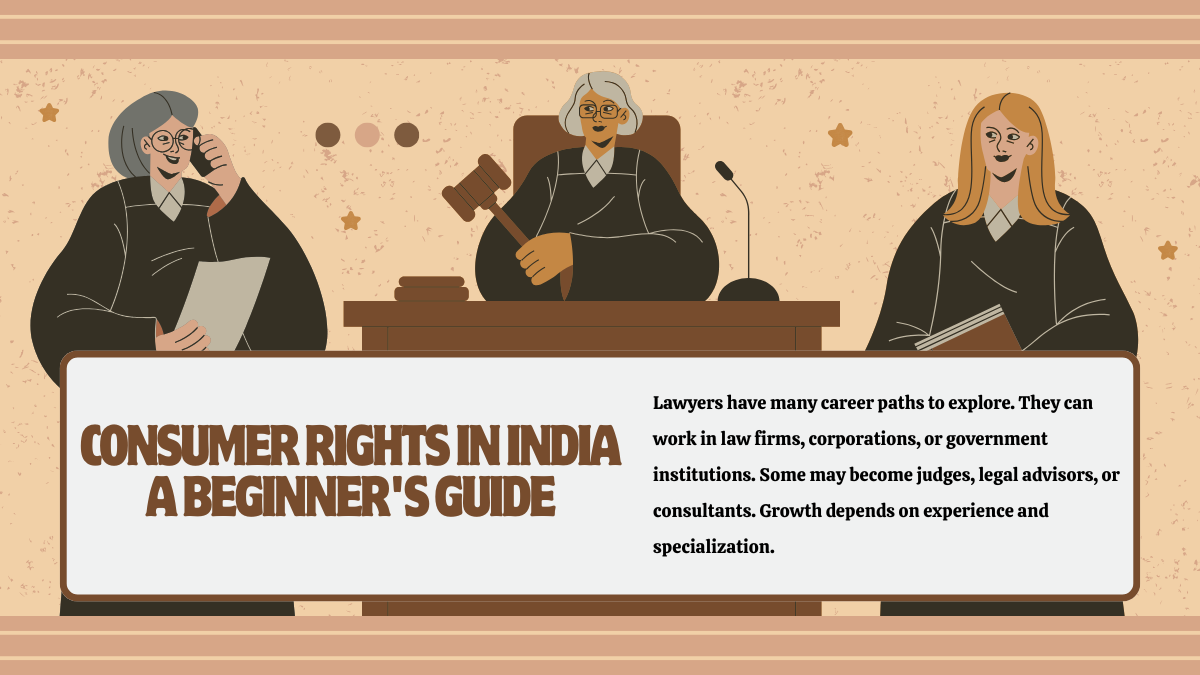
Consumer Rights in India: A Beginner's Guide
By Law Elite Editorial
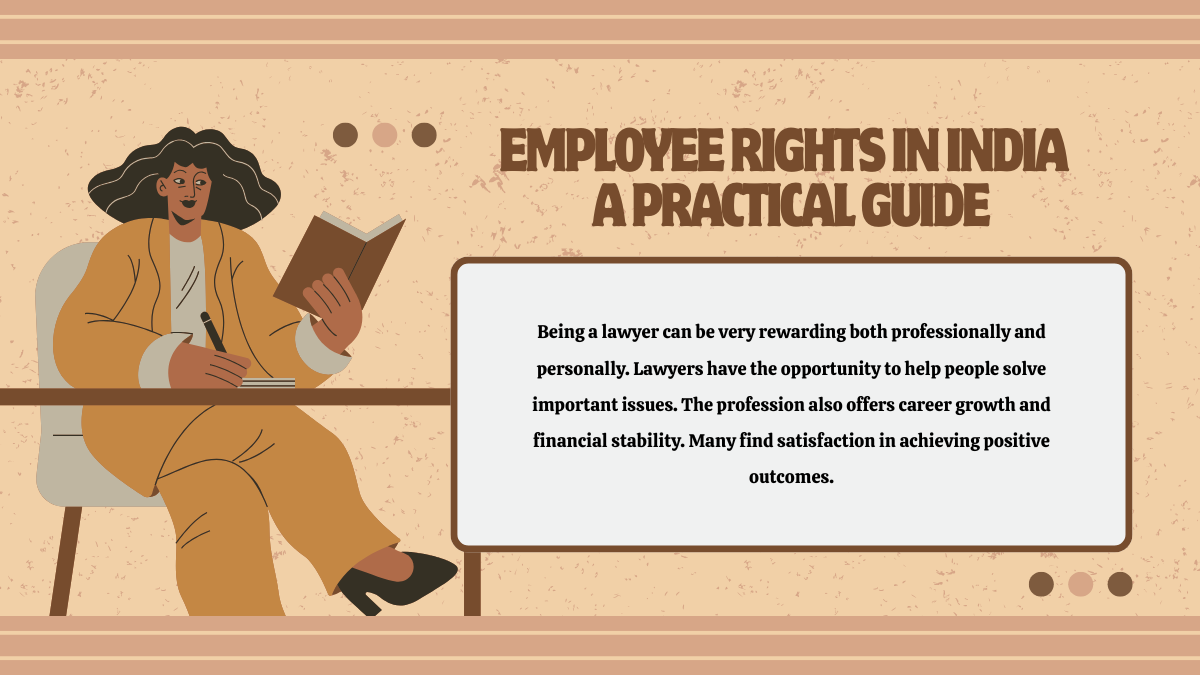
Employee Rights in India: A Practical Guide
By Law Elite Editorial
%22%20%2F%3E%3Ctext%20x%3D%2260%22%20y%3D%2290%22%20font-family%3D%22Helvetica%2C%20Arial%2C%20sans-serif%22%20font-size%3D%2220%22%20font-weight%3D%22700%22%20letter-spacing%3D%222%22%20fill%3D%22%231c2f56%22%3ELEGAL%20GUIDES%3C%2Ftext%3E%3Cpolyline%20points%3D%2260%2C460%20220%2C380%20360%2C420%20520%2C300%20700%2C220%22%20fill%3D%22none%22%20stroke%3D%22%231c2f56%22%20stroke-width%3D%224%22%20stroke-linecap%3D%22round%22%20stroke-linejoin%3D%22round%22%20opacity%3D%220.55%22%20%2F%3E%3Cg%20transform%3D%22translate(560%2C140)%20scale(7.083333333333333)%22%20stroke%3D%22%231c2f56%22%20stroke-width%3D%221.6%22%20fill%3D%22none%22%20stroke-linecap%3D%22round%22%20stroke-linejoin%3D%22round%22%3E%3Cpath%20d%3D%22M4%2C4%20C7%2C3%209.5%2C3%2012%2C4.5%20C14.5%2C3%2017%2C3%2020%2C4%20V19%20C17%2C18%2014.5%2C18%2012%2C19.5%20C9.5%2C18%207%2C18%204%2C19%20Z%22%20%2F%3E%3Cline%20x1%3D%2212%22%20y1%3D%224.5%22%20x2%3D%2212%22%20y2%3D%2219.5%22%20%2F%3E%3C%2Fg%3E%3Cg%20transform%3D%22translate(100%2C200)%20scale(4.166666666666667)%22%20stroke%3D%22%23101a30%22%20stroke-width%3D%221.6%22%20fill%3D%22none%22%20stroke-linecap%3D%22round%22%20stroke-linejoin%3D%22round%22%3E%3Crect%20x%3D%2212.5%22%20y%3D%223.5%22%20width%3D%224%22%20height%3D%227%22%20transform%3D%22rotate(45%2014.5%207)%22%20%2F%3E%3Cline%20x1%3D%2211%22%20y1%3D%228%22%20x2%3D%2216%22%20y2%3D%2213%22%20%2F%3E%3Cline%20x1%3D%225%22%20y1%3D%2214%22%20x2%3D%2210%22%20y2%3D%2219%22%20%2F%3E%3Crect%20x%3D%223%22%20y%3D%2218%22%20width%3D%228%22%20height%3D%223%22%20%2F%3E%3C%2Fg%3E%3C%2Fsvg%3E)
GST Basics for Small Businesses: A Legal Overview
By Law Elite Editorial